South Eastern Regional College's (SERC) students have been getting into the spirit of Halloween, but more importantly helping local conservation, by participating in a bat survey in Bangor, as part of Bat Night 2026.
The practical survey provided students from the Level 2 Animal Care, Level 3 Animal Management Foundation Diploma and Level 3 National Extended Diploma in Animal Management with the opportunity to develop valuable ecological fieldwork skills while contributing to the monitoring of some of Northern Ireland's most important, protected mammal species.
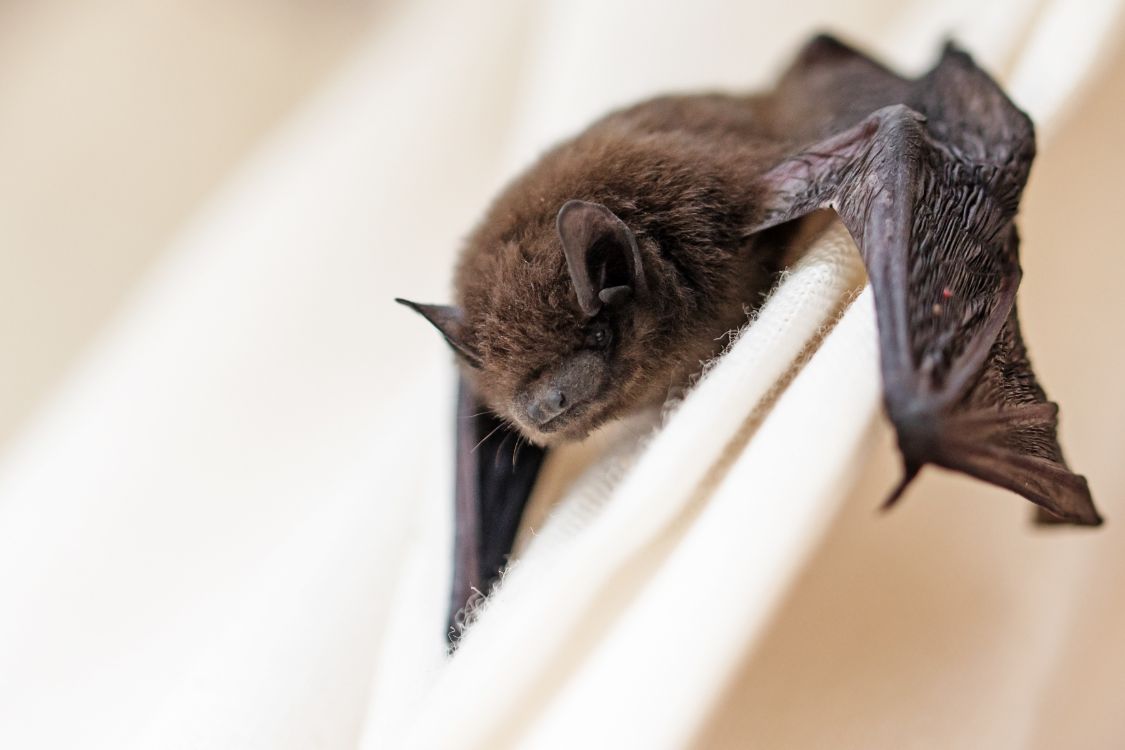
The survey focused on four Northern Ireland Priority Species - Common Pipistrelle (Pipistrellus pipistrellus); the Soprano Pipistrelle (Pipistrellus pygmaeus); the Leisler's Bat (Nyctalus leisleri) and Daubenton's Bat (Myotis daubentonii).
Julie McManus, Lecturer in Animal Care and Animal Management courses at SERC said, “Northern Ireland is home to eight bat species, all of which are recognised as Priority Species due to their rarity, decline and importance in both an all-Ireland and UK conservation context. The Northern Ireland Priority Species list helps inform biodiversity targets, species conservation measures and the development of Species Action Plans aimed at protecting vulnerable wildlife populations.
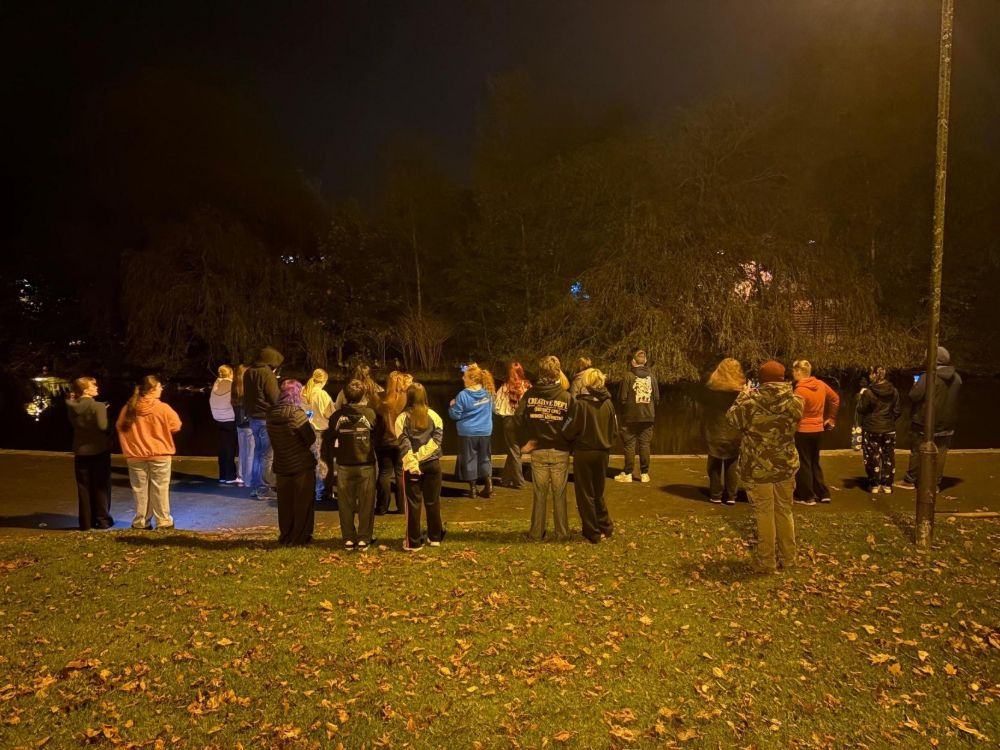
“Using specialised heterodyne bat detectors, our students surveyed habitats within the SERC woodland at Castle Park Road, as well as Ward Park and Castle Park, to identify bat activity and estimate population levels. The equipment enables surveyors to detect and distinguish bat calls that are otherwise inaudible to the human ear, allowing species identification based on their characteristic frequencies. Our students recorded bat activity across all the survey sites and gained first-hand experience of wildlife monitoring techniques that are widely used by ecologists and conservation professionals.
“For the Level 3 Animal Management students, the survey formed part of their Ecology and Conservation unit. The fieldwork will contribute towards a Habitat Management Plan for the SERC woodland, helping students understand how biodiversity surveys inform conservation decision-making and habitat management practices."
Julie concluded, “The survey also highlighted the importance of urban green spaces such as Ward Park and Castle Park in supporting local wildlife. Bats play a crucial role in ecosystems, helping to control insect populations and acting as key indicators of environmental health. “By participating in Bat Night 2026, students not only strengthened their practical animal management and conservation skills but also played an active role in promoting awareness of Northern Ireland's protected bat species and the importance of conserving local biodiversity.”
Find out more about animal care and animal management courses at SERC.
Main picture above: Common Pipistrelle (Pipistrellus pipistrellus) Adobe Stock by Maren Winter Education Licence.
Inset picture: SERC students taking part in Bat Survey in Ward Park.